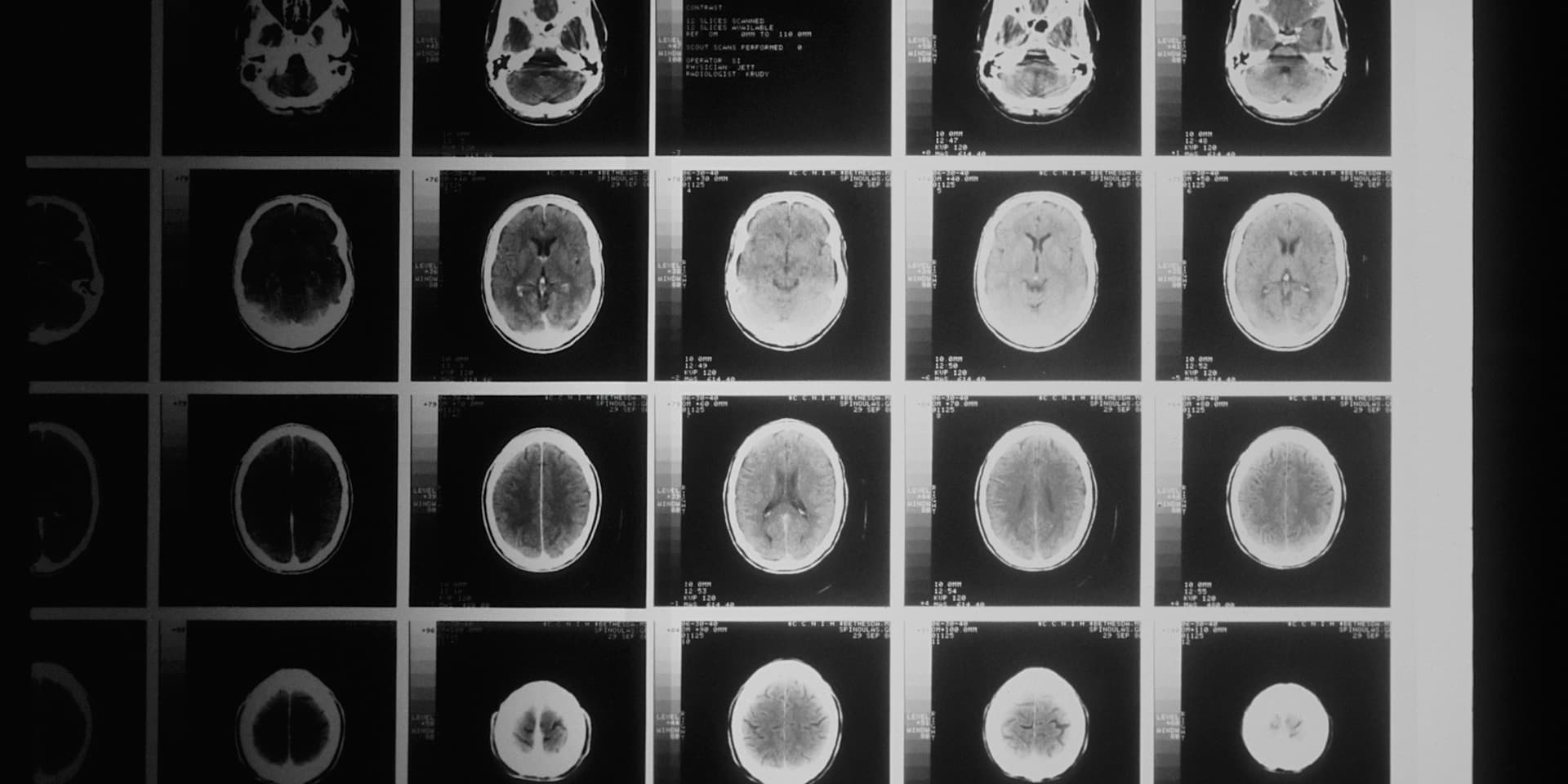
- Under 65 with dementia
- 28,000+
- Australians living with younger onset dementia
- For most patients under 65
- NDIS eligible
- but access requires specific functional evidence
- Without functional translation
- Plans fail
- when reports document test scores alone
Younger onset dementia patients are eligible for the NDIS, but the system was not designed for progressive neurological conditions. Getting the evidence right from the start is the most effective intervention at this stage.

What NDIS Access Requires
The NDIA accepts dementia as a permanent impairment for patients under 65. Four things must be in the supporting documentation:
Confirmed diagnosis
State the specific subtype, Alzheimer's, FTD, Lewy body, vascular, or mixed pathology.
Cognitive domains
Document which are impaired: episodic memory, executive function, language, visuospatial, attention.
Functional impact
Purpose built homes where dementia is understood and dignity is non-negotiable.
Safety risks
Explicitly identify driving, medication management, wandering, unsupervised cooking, and financial management.
Writing a Report the NDIA Can Actually Use
The NDIA is not a clinical audience. Reports that stop at test scores cause delays and produce underfunded plans.
“Client has difficulty with daily living tasks due to cognitive impairment.”
This tells the NDIA nothing actionable.
“Cannot reliably plan and execute multi-step tasks such as meal preparation, medication management, or appointment scheduling without direct supervision.”
This gets funded.
Other Report Requirements
Expand each item to see exactly what to include:
A patient may technically perform a task while being unable to do so safely. Unsupervised cooking, medication self-administration, and financial management often fall here. Document the safety risk explicitly — not just the functional level.
State that functional decline is expected and that support needs will increase. Avoid language suggesting the condition is stabilised or treatment-responsive in a way that implies reversibility — this causes access delays.
A patient with severe executive impairment may present as articulate and socially intact. Explain the dissociation explicitly: “The patient's verbal fluency does not reflect their capacity for self-directed planning and task execution.”
Reporting z-scores without functional translation. Not addressing driving. Using hedged language about diagnostic certainty. Failing to identify specific safety risks beyond the diagnosis itself.
NDIS Support Categories for Dementia
Four categories cover most younger onset dementia participants:
Daily Life
Personal care, domestic support, meal preparation, medication supervision, safety monitoring.
Community Participation
Supported access to activities outside the home. Important for cognitive engagement in earlier stages.
Support Coordination
Critical for progressive conditions, the plan needs active management as function declines.
Improved Daily Living
Occupational therapy, speech pathology, physiotherapy. Recommended in most plans.
A participant with severe executive dysfunction and intact verbal fluency will be underestimated by the NDIA unless the dissociation between clinical presentation and daily function is explicitly documented.