Conditions we support
Down syndrome and dementia support in Queensland
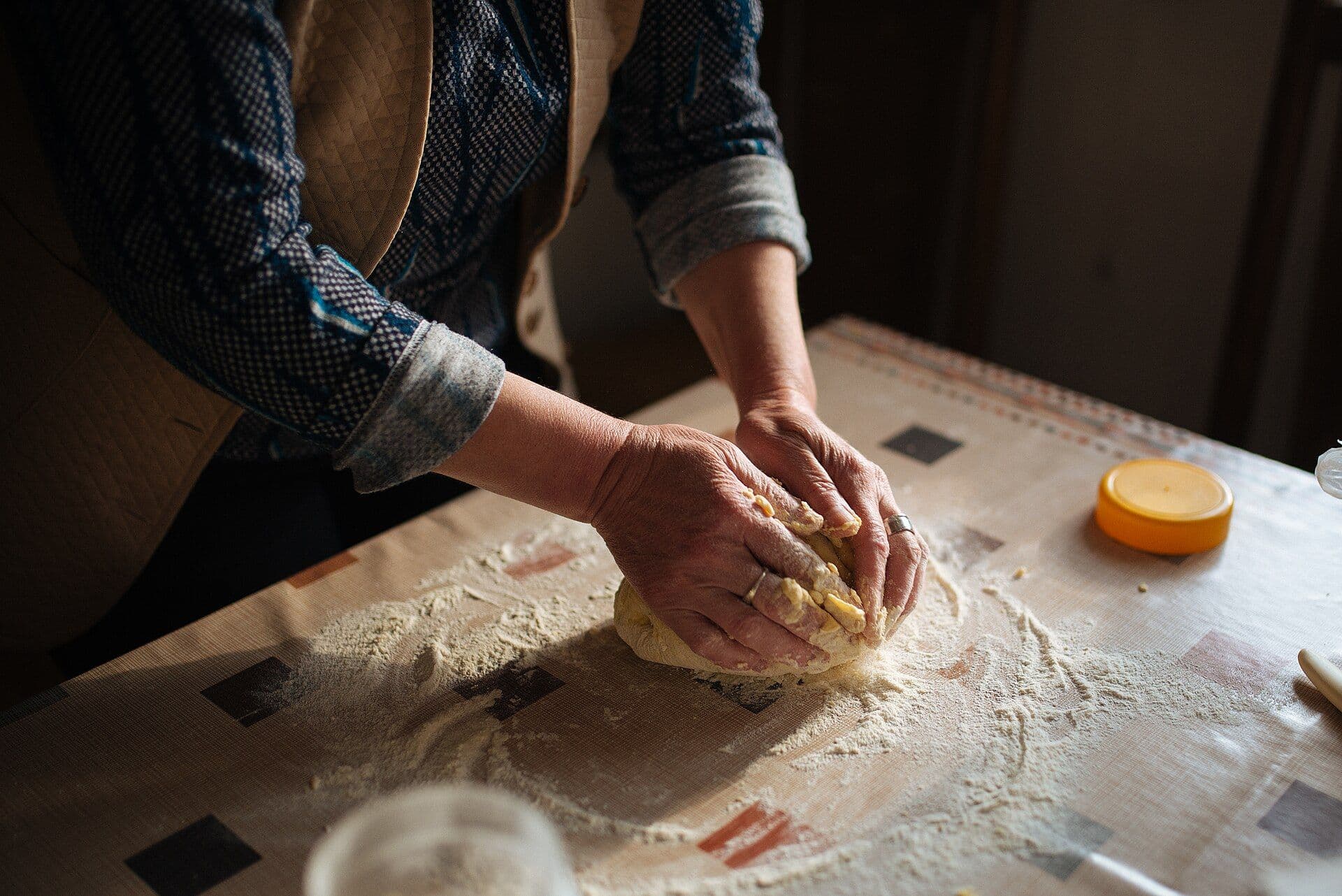
Supports that change with them.
About the condition
Understanding dementia in people with Down syndrome
People with Down syndrome have an extra copy of chromosome 21. This chromosome carries a gene linked to the build up of amyloid, a protein involved in Alzheimer's disease. Because of this, adults with Down syndrome have a much higher chance of developing Alzheimer's disease. It usually starts earlier than in other people, often in the person's 50s and sometimes in their 40s.
Not every person with Down syndrome will develop dementia. And not every change is dementia. Thyroid problems, hearing or vision loss, sleep apnoea, depression and big life changes can all look like dementia. These need to be checked by a GP first.
In people with Down syndrome, the first signs of dementia are often changes in personality or behaviour, losing skills they used to have, or becoming less interested in activities. Memory changes may come later. Some adults develop seizures for the first time.
A record of the person's usual skills, made before any changes start, helps doctors spot change early. Ask the GP about this.
Daily life
How it can affect daily life
Families and support workers are often the first to notice.
Losing skills.
Finding it harder to do things the person did before, like dressing, cooking or catching the bus.
Behaviour and mood.
Seeming withdrawn, irritable, anxious or less interested in things they love.
Memory and routines.
Forgetting familiar routines, people or places.
Walking and falls.
Changes in walking and balance, and a higher risk of falls.
Eating and swallowing.
Swallowing can get harder over time and needs care at mealtimes.
Seizures.
Some adults develop seizures for the first time. These need medical review.
Our support
How we support people living with Down syndrome and dementia
We keep what works and add what's needed. We get to know the person, their routines and the people who matter to them, and we work closely with family and any other providers.
Specialist Support Coordination
A coordinator who understands dementia and can help change the plan as needs change.
Dementia Home Care
Dementia trained support at home or in the family home, including overnight support.
Community Participation
Keeping up friendships, day programs, work and hobbies for as long as possible.
Supported Independent Living
Homes purpose built for dementia, with 1:1 or 2:1 support, if the person's current home no longer suits.
High Intensity and Complex Care
Swallowing support, seizure management and other complex health needs, with Registered Nurse oversight.
Short Term Accommodation and Respite
Breaks for family carers, at home or in a respite home.
Our team
Our team is trained for this.
The person's support should feel familiar, even as it changes.
- Every person on our team is dementia trained, in every role.
- Every worker is trained on the person's own functional capacity assessment and behaviour support plan before their first shift with them.
- Clinical oversight by a Registered Nurse, who leads high intensity supports.
- Our staff are employed by us, not contracted through agencies.
Funding
Down syndrome, dementia and the NDIS
Many adults with Down syndrome are already NDIS participants. People who joined before 65 can stay in the NDIS after 65. If the person is not yet a participant, the usual access requirements apply.
Who can apply to the NDIS
To become an NDIS participant, a person generally needs to:
- be under 65 when they apply
- live in Australia
- be an Australian citizen, a permanent resident or a Protected Special Category Visa holder
- have a permanent impairment that substantially reduces their ability to manage everyday activities.
People who join the NDIS before they turn 65 can stay in the NDIS after 65. We can help gather evidence and guide you through the access process.
When needs change, you can ask the NDIS to look at the plan again. This is called a plan reassessment. New reports from the GP, specialist and therapists that describe the changes will help. We can help you work out what's needed.
In their words.
“We visited a lot of SIL houses before we found Dementia Care Queensland. Most of them felt like nursing homes with nicer curtains. But when we walked into one of these homes, it just felt different. It smelled like someone's house. The layout made sense. There were pictures on the walls. Our son, who has Young Onset Alzheimer's and is 49, walked in and didn't panic. That was the moment we knew.”
“Mum has Lewy Body Dementia. Her needs change day to day, sometimes hour to hour. We'd tried three different agencies before Dementia Care Queensland and none of them could keep up. Now, the same two workers come every week. They know her routines. They know her triggers. They know when she's having a hard day before she does. That consistency, that knowledge, has changed everything for our family.”
“We'd been through three support coordinators before we found Dementia Care Queensland. None of them really understood Dad's condition, they were juggling too many clients, too many diagnoses. Our coordinator here is different. She calls before we even know we need her. She's already thought about what Dad's going to need in six months. That kind of proactive care, we'd never experienced it before.”
Questions about Down syndrome and dementia
Related conditions
This page is general information, not medical advice. For advice about your own health or care, talk to your GP or specialist. Last reviewed: October 2026.
A full life, their way.
Call any time, day or night. Referrals answered the same business day, always within 24 hours.