Services
Community participation
Keep doing what makes them, them.
Connection is protective.
Isolation is one of the biggest risks in dementia. Routines, roles and relationships protect wellbeing, and they're often the first things to slip away after a diagnosis.
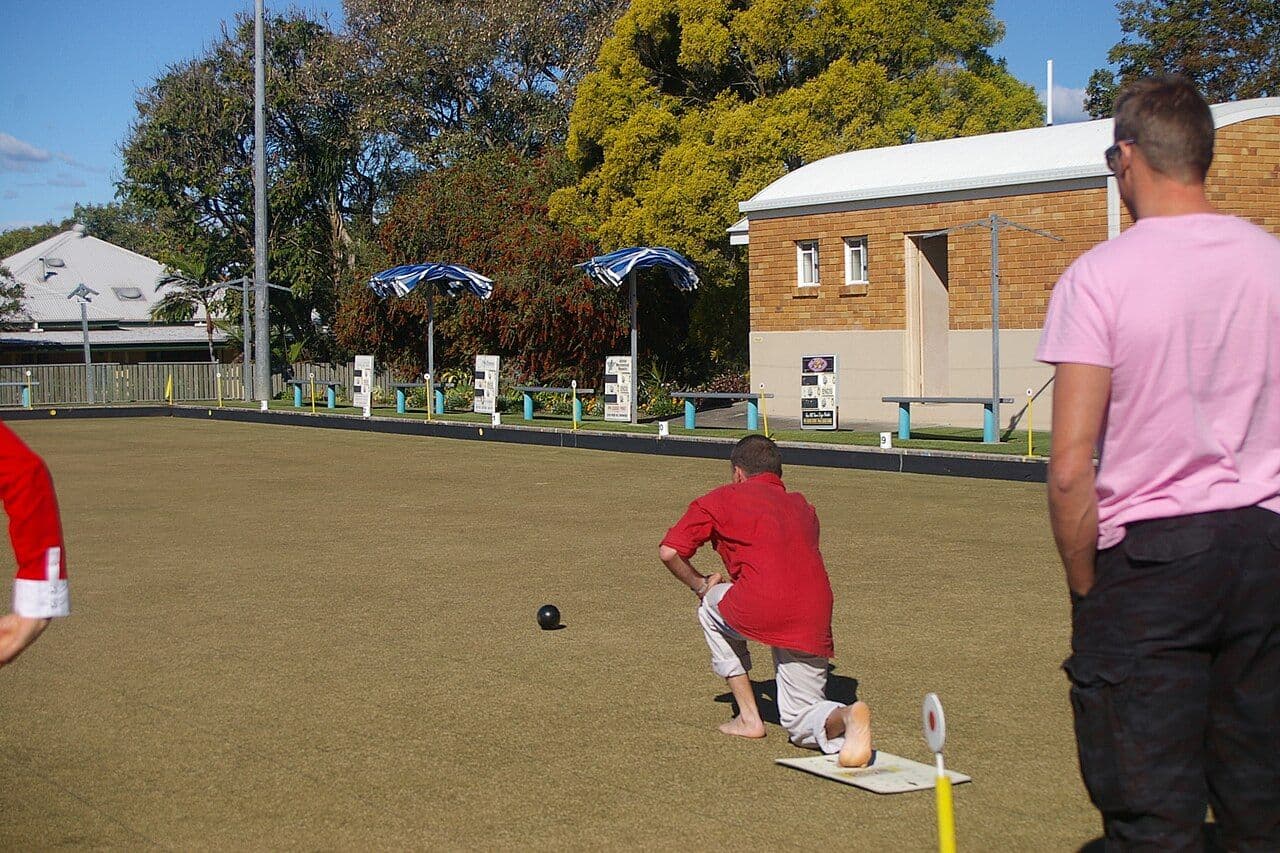
Our support workers help people keep doing what they love, safely and with dignity. That might be getting to the gym, staying in work, playing bowls, volunteering, going to the footy, catching up with mates or keeping a weekly coffee routine. For people diagnosed in their 40s and 50s, it's about keeping a working, social and family life going for as long as possible.
What it can look like.
Staying in work.
Support with routines, getting there and staying organised, for as long as work is right for the person.
Sport and fitness.
The gym, walks, swimming, golf, bowls or whatever keeps them moving.
Hobbies and creative pursuits.
Music, art, woodwork, gardening, fishing.
Friends and family.
Catch ups, family events and keeping friendships going.
Volunteering and community roles.
Staying part of the clubs, groups and causes they care about.
Everyday outings.
Shopping, banking, appointments, cafes and the library.
Who it's for.
- People living with young onset dementia
- People in the earlier and middle stages of any dementia
- People who've stopped driving and need support to get out
- People living at home or in one of our homes
- Families who want the person to keep a life of their own
How it works.
Talk about what matters.
Interests, routines, goals and what a good week looks like.
A matched worker within 4 days.
Matched on personality and interests wherever we can.
A plan with goals.
Linked to the person's NDIS goals, so progress counts at reviews.
Get out there.
Regular support, with check ins and changes as needs change.

Young onset dementia
Diagnosed at 50. Still living.
Young onset dementia arrives in the middle of life, with work, kids, mortgages and friendships all in motion. We help people keep as much of that life going as possible, for as long as possible.
Our standards
Our commitments. In writing.
- Same day
- Every enquiry answered
- 4 days
- A dementia trained worker matched
- Before shift one
- Trained on the person's plans
Where it's available.
Community participation support is available across all of Queensland.
How it's funded.
Community participation is funded from Core Supports in the person's NDIS plan, under Assistance with Social, Economic and Community Participation. Transport can be included where the plan funds it.
“I'm 54 and I've been living with vascular dementia for two years. I still want to live. I still want to be me. The team at Dementia Care Queensland gets that. They've helped me stay in my own home, keep doing the things I love, and plan for a future I can feel dignified about.”
Questions about community participation
What do they love? Let's keep it going.
Tell us about the person and the life they want to keep living.