Conditions we support
Parkinson's disease dementia support in Queensland
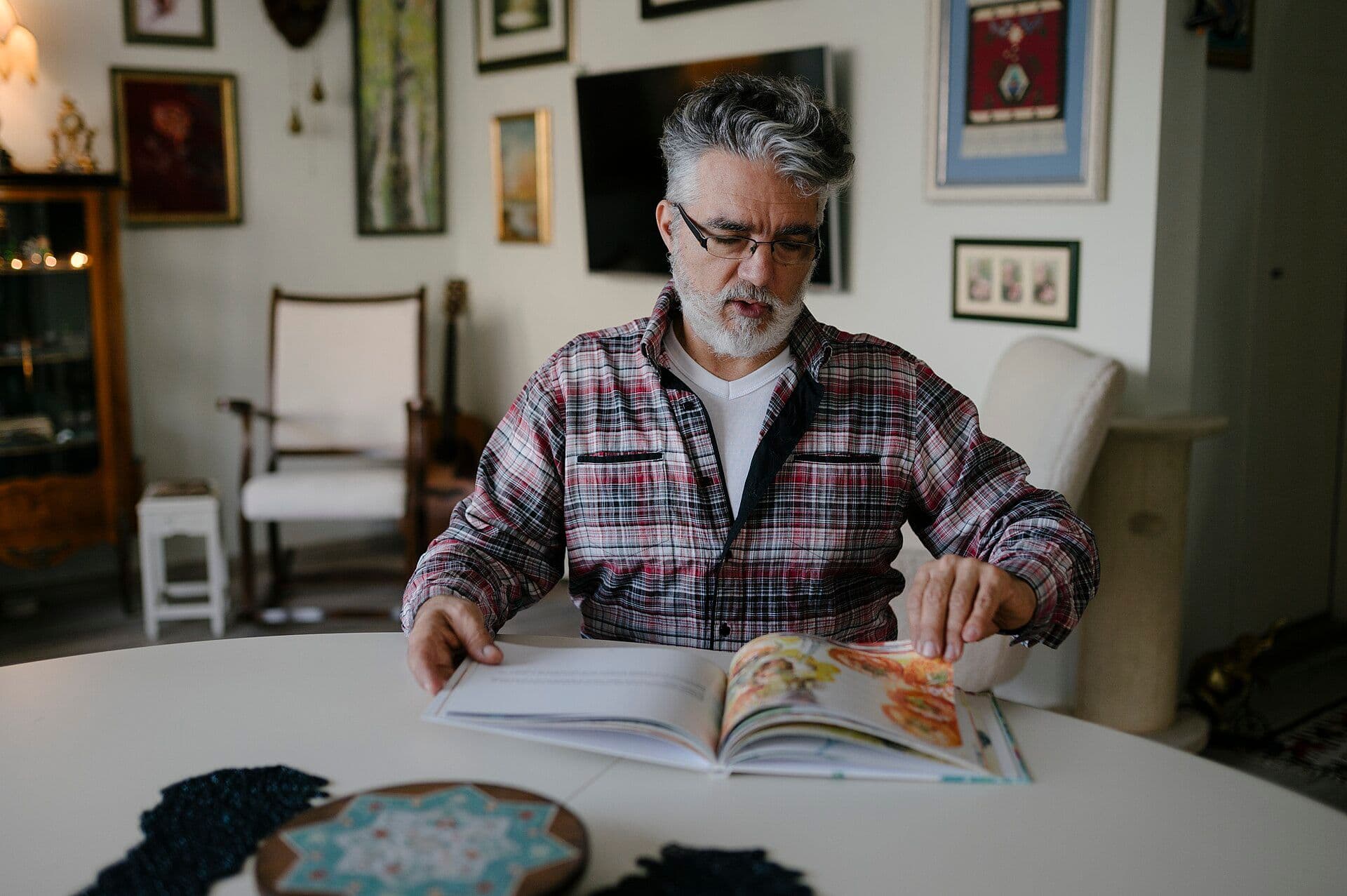
The right care, at the right time.
About the condition
Understanding Parkinson's disease dementia
Parkinson's disease affects movement. It causes slowness, stiffness, tremor and balance problems. Over time, some people with Parkinson's disease also develop dementia. This is called Parkinson's disease dementia.
It happens when changes in the brain spread to the areas that control thinking, attention and planning. Tiny clumps of protein, called Lewy bodies, play a big part. Not everyone with Parkinson's disease develops dementia. It becomes more likely the longer a person has had Parkinson's and as they get older.
Parkinson's disease dementia is closely related to dementia with Lewy bodies. Doctors tell them apart by timing, using a guide called the one year rule. If movement symptoms came first, at least a year and usually many years before thinking changes, it is called Parkinson's disease dementia. If thinking changes came first, or within about a year of movement symptoms, it is usually called dementia with Lewy bodies.
There is no cure yet, but medicines and therapy can help some symptoms.
Parkinson's medicines need to be given on time, every time. A late or missed dose can make moving, talking and swallowing harder, and these medicines should never be stopped suddenly. Some people are very sensitive to certain antipsychotic and anti nausea medicines, so make sure every doctor and hospital knows the diagnosis.
Daily life
How it can affect daily life
Movement and thinking both change, often through the day.
Thinking and attention.
Thinking slows. Conversations, decisions and doing two things at once get harder.
Good days and hard days.
Alertness can change from hour to hour. Movement can change as medicines wear off.
Hallucinations.
Seeing people or animals that aren't there. Some people find them frightening.
Movement and falls.
Stiffness, freezing and a shuffling walk raise the risk of falls, especially when turning or standing up.
Swallowing.
Meals, drinks and tablets need more care as swallowing gets harder.
Mood and sleep.
Anxiety and low mood are common. Some people act out dreams or sleep a lot by day.
Our support
How we support people living with Parkinson's disease dementia
We keep the same workers with the same person, so we notice small changes early. We plan each day around medicine times and report changes to the treating team quickly.
Dementia Home Care
Consistent workers at home, with personal care, meals, outings and active overnight support.
Community Nursing
Registered Nurse led care at home, including medication management, in Brisbane, Logan, Ipswich, the Sunshine Coast, the Gold Coast and Toowoomba.
High Intensity and Complex Care
Swallowing support, PEG (feeding tube) care and other complex health needs, with Registered Nurse oversight, across Queensland.
Specialist Support Coordination
A coordinator who plans ahead and keeps the treating team in the loop.
Supported Independent Living
Homes purpose built for dementia, with 1:1 or 2:1 support.
Short Term Accommodation and Respite
Breaks for family, at home or in one of our respite homes.
Medium Term Accommodation
A safe home for up to 90 days, sourced in 5 to 7 days. If the person is in hospital after a fall or illness, our Hospital to Home pathway brings everything together.
Our team
Our team is trained for this.
Parkinson's disease dementia needs workers who know the person, with clinical oversight behind them.
- Every person on our team is dementia trained, in every role.
- Clinical oversight by a Registered Nurse, who leads high intensity supports and community nursing.
- Every worker is trained on the person's own functional capacity assessment and behaviour support plan before their first shift with them.
New to Parkinson's?
Parkinson's in Queensland: where to start
Our free guide shows who to call, how to see a neurologist, and how to find Parkinson's-experienced physios, speech pathologists and OTs near you. It's made for people who are newly diagnosed or still having tests, and their families.
Funding
Parkinson's disease dementia and the NDIS
People living with Parkinson's disease dementia can apply to the NDIS if they meet the access requirements. Evidence should describe good days, hard days and what happens when medicines wear off.
Who can apply to the NDIS
To become an NDIS participant, a person generally needs to:
- be under 65 when they apply
- live in Australia
- be an Australian citizen, a permanent resident or a Protected Special Category Visa holder
- have a permanent impairment that substantially reduces their ability to manage everyday activities.
People who join the NDIS before they turn 65 can stay in the NDIS after 65. We can help gather evidence and guide you through the access process.
Reports from the neurologist, GP and therapists all help. We can help you work out what's needed.
In their words.
“Mum has Lewy Body Dementia. Her needs change day to day, sometimes hour to hour. We'd tried three different agencies before Dementia Care Queensland and none of them could keep up. Now, the same two workers come every week. They know her routines. They know her triggers. They know when she's having a hard day before she does. That consistency, that knowledge, has changed everything for our family.”
“As a referring clinician, I need to trust that the providers I recommend can match the complexity of my patients' conditions. Dementia Care Queensland is the only NDIS provider I refer dementia patients to without hesitation. Their coordinators ask the right questions, understand disease progression, and plan ahead.”
“I've referred to a lot of NDIS providers over the years. Most of them mean well, but dementia is complex, and it shows quickly when a coordinator doesn't really understand it. With Dementia Care Queensland, I refer and I don't worry. Their coordinators understand progression. They understand the family dynamics. And they pick up the phone. That's rarer than it should be.”
Questions about Parkinson's disease dementia
Related conditions
This page is general information, not medical advice. For advice about your own health or care, talk to your GP or specialist. Last reviewed: October 2026.
Steady care, on time, every day.
Call any time, day or night. Referrals answered the same business day, always within 24 hours.